
Wright's Market
Phlox
Phlox
Couldn't load pickup availability
Share
Phlox
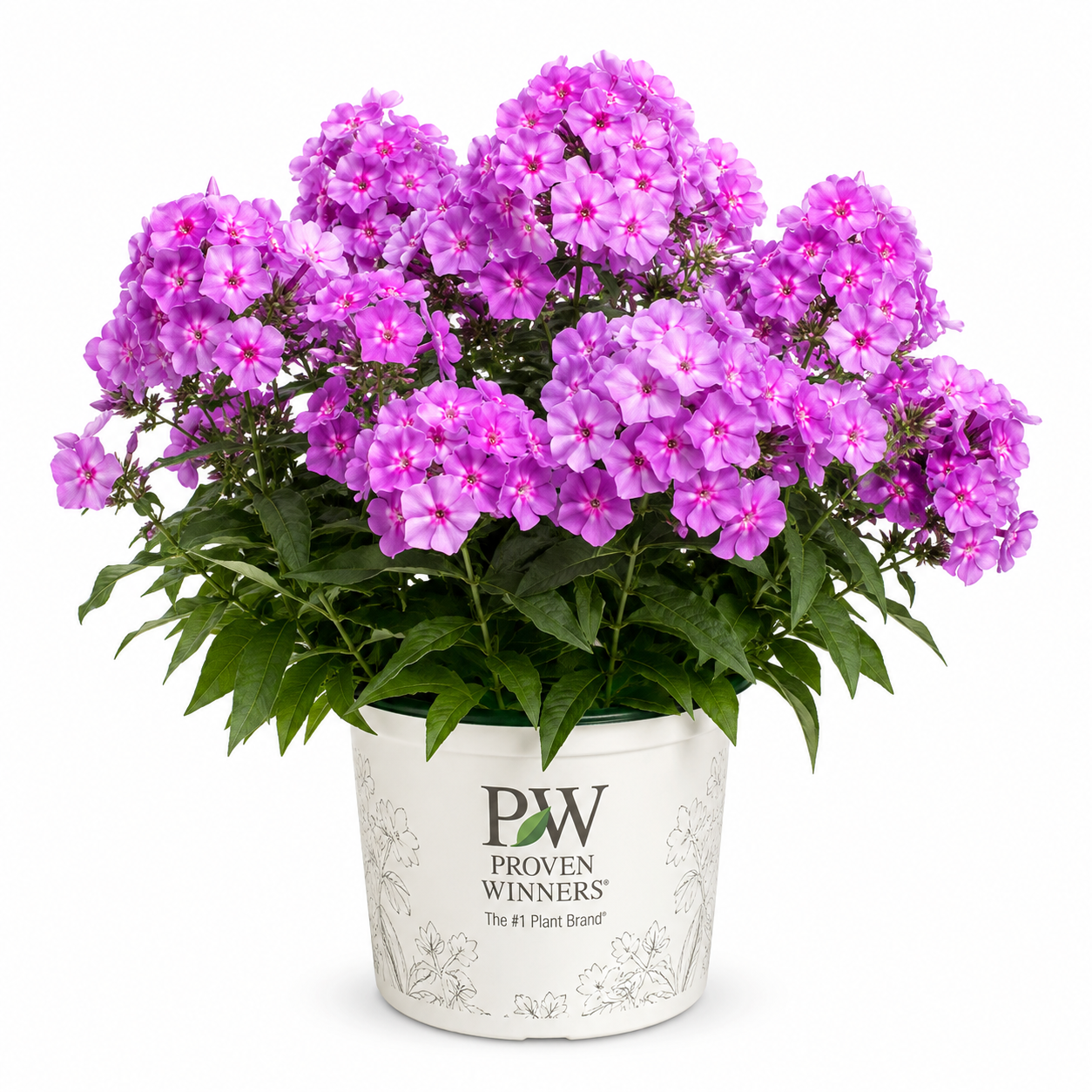
Bring lasting color and cottage-garden charm to your landscape with beautiful Phlox. Known for its clusters of colorful blooms and sweet fragrance, Phlox is a wonderful choice for flower beds, borders, pollinator gardens, and mixed containers. Depending on the variety, it typically blooms from late spring through summer and attracts butterflies, bees, and hummingbirds.
Why You’ll Love It
Phlox is loved for its bright, abundant flowers and easy-care nature. It adds fullness and texture to garden beds while providing dependable seasonal color. Once established, it returns year after year and makes a beautiful addition to both traditional and cottage-style landscapes.
Sunlight
Plant Phlox in full sun to partial shade. For the healthiest growth and best flowering, choose an area that receives at least 4 to 6 hours of sunlight each day. In especially hot climates, light afternoon shade can help protect the blooms.
Watering
Water thoroughly after planting and keep the soil evenly moist while the plant becomes established. After establishment, water when the top 1 to 2 inches of soil feel dry. Phlox generally needs about 1 inch of water per week, including rainfall.
Water near the base of the plant rather than over the foliage to help prevent leaf disease. Avoid allowing the soil to remain soggy, as Phlox prefers moist but well-draining soil.
Fertilizing
Fertilize in early spring when new growth begins using a balanced, slow-release fertilizer. A second light feeding may be applied after the first round of blooms to encourage continued growth and flowering.
Avoid overfertilizing, especially with high-nitrogen products, as this can create excessive foliage with fewer flowers. Always follow the fertilizer package instructions.
Planting and Care
Plant in rich, well-draining soil and space plants according to the mature size of the variety. Good air circulation is important, so avoid overcrowding. Adding a layer of mulch around the base will help retain moisture, regulate soil temperature, and reduce weeds.
Removing faded blooms can encourage additional flowering and keep the plant looking tidy. Perennial varieties may be trimmed back after the foliage naturally declines at the end of the growing season.
Companion Plants
Phlox pairs beautifully with:
- Coneflowers
- Black-eyed Susans
- Salvia
- Shasta daisies
- Coreopsis
- Daylilies
- Lavender
- Ornamental grasses
- Hydrangeas
- Roses
Use Phlox toward the middle or back of a flower bed, depending on the variety’s mature height, and surround it with contrasting foliage and complementary seasonal blooms.