
Wright's Market
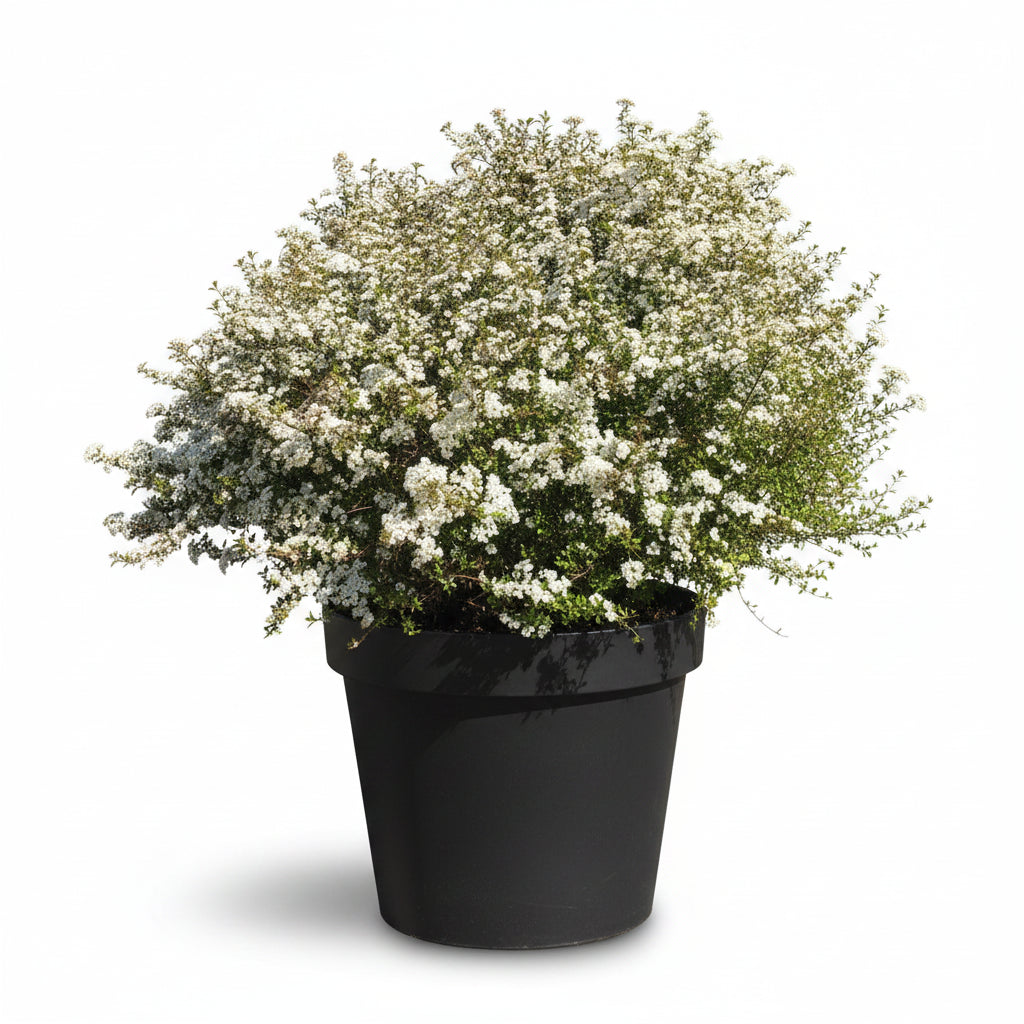
Dwarf Walters Viburnum (3 Gallon)
Dwarf Walters Viburnum (3 Gallon)
Couldn't load pickup availability
Share
Viburnum obovatum dwarf cultivar
Bring native Southern beauty into smaller landscapes with Dwarf Walter’s Viburnum, a compact evergreen to semi-evergreen shrub prized for its fine-textured foliage, clusters of white spring flowers, and excellent wildlife value.
Unlike the full-size species, dwarf selections stay much smaller and are ideal for foundation beds, low hedges, borders, pollinator gardens, and layered landscapes where you want the beauty of Walter’s Viburnum without the large mature size.
Plant at a Glance
Botanical Name: Viburnum obovatum dwarf cultivar
Common Name: Dwarf Walter’s Viburnum
Plant Type: Compact flowering shrub
Annual or Perennial: Perennial
Evergreen or Deciduous: Evergreen to semi-evergreen in warm Southern climates
Native: Yes — native to the Southeastern United States
USDA Hardiness Zones: Approximately 7–10
Mature Height: Typically 2–4 feet tall, depending on cultivar
Mature Width: Typically 3–5 feet wide
Growth Habit: Compact, dense, rounded to mounding
Growth Rate: Moderate
Sunlight: Full sun to part shade
Water Needs: Moderate while establishing; drought tolerant once established
Foliage: Small, glossy green leaves
Flowers: Yes
Bloom Season: Late winter through spring, usually February–April in the Southeast
Flower Color: White
Fruit: Small berries may follow flowering and mature darker later in the season
Pollinator Friendly: Yes
Wildlife Value: Excellent
Primary Feature: Compact native evergreen structure with spring flowers
Why We Love Dwarf Walter’s Viburnum
Dwarf Walter’s Viburnum gives you many of the best qualities of the full-size species in a size that is much easier to use around a home.
Its fine-textured foliage creates a soft, polished appearance, while the white spring flowers provide seasonal color without overwhelming the landscape.
It is especially useful for homeowners who want a native plant that still feels neat, intentional, and designer-friendly.
Sunlight Requirements
Dwarf Walter’s Viburnum performs well in:
Full sun
Part sun
Part shade
For the densest growth and heaviest flowering, provide approximately 4–6 or more hours of sunlight per day.
Wright’s Market Recommendation
In southeast Georgia, it performs beautifully in:
Morning sun with afternoon shade
or
Full sun with adequate water during establishment
More sunlight generally encourages stronger flowering.
Watering
Immediately After Planting
Water deeply after planting so the entire root ball and surrounding soil are thoroughly moist.
First Growing Season
Water approximately 1–2 times per week, adjusting for rainfall, heat, and soil type.
During prolonged summer heat, newly planted shrubs may require additional water.
Once Established
Dwarf Walter’s Viburnum becomes relatively drought tolerant once established.
Water deeply during extended dry periods rather than providing frequent shallow irrigation.
Avoid constantly saturated soil.
Fertilization
Fertilize in early spring as new growth begins.
Use a balanced, slow-release shrub and tree fertilizer according to package directions.
For established plants growing well in healthy soil, one spring application is generally sufficient.
Avoid excessive nitrogen, which can encourage too much leafy growth and reduce flowering.
Planting Instructions
- Water the plant thoroughly before planting.
- Choose a location with full sun to part shade.
- Dig a hole approximately twice as wide as the root ball, but no deeper.
- Carefully remove the plant from its nursery container.
- Gently loosen any tightly circling roots.
- Position the top of the root ball level with or slightly above the surrounding soil.
- Backfill with the existing soil.
- Water deeply to settle the soil.
- Apply approximately 1–2 inches of pine straw or mulch.
- Keep mulch pulled away from the stems.
Soil
Dwarf Walter’s Viburnum is adaptable but performs best in:
Moist, well-drained soil
Clay, loam, or sandy soils
Slightly acidic to neutral soil
Once established, it handles typical Southern landscape conditions very well.
Pruning & Maintenance
Dwarf selections naturally maintain a compact habit and usually require very little pruning.
If shaping is needed, prune after flowering so you do not remove the spring flower display.
Light selective pruning works better than constant shearing if you want the plant to retain its natural character.
Does Dwarf Walter’s Viburnum Flower?
Yes.
It produces clusters of small white flowers in late winter through spring.
In southeast Georgia, flowering often begins around February or March and may continue into April.
The blooms are valuable to early-season pollinators.
Does It Produce Berries?
Yes, depending on the cultivar and pollination conditions.
Small fruits may follow flowering and can provide additional food for birds later in the season.
The berries are secondary to the flowers and foliage but add useful wildlife value.
Evergreen or Deciduous?
Dwarf Walter’s Viburnum is generally evergreen to semi-evergreen in Zone 8b/9a.
In mild winters, it may retain nearly all of its foliage.
During colder winters, some leaf drop can occur, but the plant remains perennial and produces fresh growth in spring.
Zone 9 / Coastal Georgia Performance
Dwarf Walter’s Viburnum is an excellent choice for southeast Georgia.
Because the species is native to the Southeast, it is well adapted to:
- Heat
- Humidity
- Sun
- Partial shade
- Periodic drought
- Southern soils
It is especially valuable when customers want a native shrub that still has a tidy, landscape-ready appearance.
Pollinator & Wildlife Value
Dwarf Walter’s Viburnum provides excellent garden habitat.
The flowers attract:
Bees
Butterflies
Other beneficial pollinators
The dense foliage also provides cover for small wildlife, while berries may feed birds later in the season.
Deer Resistance
Walter’s Viburnum generally has good deer resistance, although no plant can be guaranteed deer-proof.
It is a strong option for landscapes where deer pressure is a concern.
Landscape Uses
Dwarf Walter’s Viburnum is ideal for:
- Foundation plantings
- Low hedges
- Mass plantings
- Native gardens
- Pollinator gardens
- Borders
- Entry beds
- Cottage gardens
- Woodland edges
- Under-window plantings
- Layered Southern landscapes
Its compact size makes it much easier to use around homes than the straight species.
Spacing
Allow approximately 3–5 feet of mature width, depending on the specific dwarf cultivar.
For individual shrubs, give each plant room to develop naturally.
For a continuous hedge, plants can be placed somewhat closer.
Wright’s Market Tip
Always check the cultivar name if available.
Common dwarf selections such as ‘Mrs. Schiller’s Delight’ and ‘Densa’ remain much smaller than the straight species and can differ somewhat in mature height and width.
Beautiful Plant Pairings
Dwarf Walter’s Viburnum pairs beautifully with:
Evergreen Structure
Soft Touch® Holly
Vintage Jade® Distylium
Pringles Dwarf Podocarpus
Babylon Beauty™ Boxwood
Flowering Shrubs
Hydrangeas
Gardenias
White Encore® Azaleas
Rose Creek Abelia
Drift® Roses
Lower-Growing Texture
Big Blue Liriope
Carex
Asiatic Jasmine
Ferns
Wright’s Market Designer Combination
Try:
Dwarf Walter’s Viburnum + white hydrangeas + Soft Touch Holly + Big Blue Liriope
The viburnum adds native flowering interest, the holly provides evergreen structure, and the liriope finishes the front edge.
The result is clean, layered, and naturally Southern.
Why Wright’s Market Loves It
We love Dwarf Walter’s Viburnum because it offers the beauty and wildlife benefits of a native shrub in a size that works beautifully in residential landscapes.
It is:
Native
Perennial
Evergreen to semi-evergreen
Compact
Spring flowering
Pollinator friendly
Drought tolerant once established
Low maintenance
Well suited to Southern heat and humidity
For customers who want a native alternative to traditional foundation shrubs, Dwarf Walter’s Viburnum is an excellent choice.
Wright’s Market Plant Tip
Give Dwarf Walter’s Viburnum enough room to maintain its naturally compact form rather than crowding it into a space that requires constant pruning.
If the exact cultivar is known, use that cultivar’s mature dimensions for the most accurate spacing.
Please note: Mature size, foliage retention, and flowering can vary by cultivar and growing conditions. Dwarf Walter’s Viburnum remains much smaller than the straight species but should still be spaced according to its mature width.