
Wright's Market
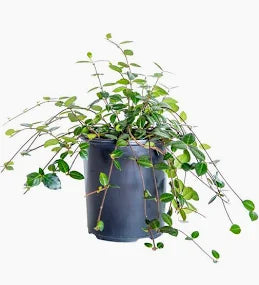
Asiatic Jasmine – 1 Gallon
Asiatic Jasmine – 1 Gallon
Share
Trachelospermum asiaticum
Create a lush, polished groundcover with Asiatic Jasmine, a dependable evergreen vine-like plant prized for its dense green foliage, spreading habit, and ability to handle both sun and shade.
Asiatic Jasmine is one of the most useful groundcovers for Southern landscapes because it fills in beautifully beneath shrubs, along slopes, around trees, and in areas where turfgrass may be difficult to maintain. Once established, it creates a thick carpet of foliage that helps suppress weeds and gives landscape beds a clean, finished appearance.
Plant at a Glance
Botanical Name: Trachelospermum asiaticum
Common Name: Asiatic Jasmine
Container Size: 1 Gallon
Plant Type: Evergreen groundcover / spreading vine
Annual or Perennial: Perennial
Evergreen or Deciduous: Evergreen in mild Southern climates
USDA Hardiness Zones: Generally 7–10
Mature Height: Approximately 6–12 inches tall
Mature Spread: Approximately 3–6 feet or more over time
Growth Habit: Low, spreading, trailing and dense
Growth Rate: Moderate to fast once established
Sunlight: Full sun to full shade
Water Needs: Moderate while establishing; lower once established
Foliage: Small, glossy dark green leaves
Flowers: Yes, but flowering is generally sparse when used as groundcover
Bloom Season: Typically late spring into summer
Flower Color: Small creamy-white to pale yellow flowers
Primary Feature: Dense evergreen groundcover with excellent landscape versatility
Why We Love Asiatic Jasmine
Asiatic Jasmine is one of the easiest ways to give a landscape a finished, established look.
It spreads along the ground and forms a dense evergreen layer that works beautifully around larger shrubs and trees. It is especially useful in beds where you want greenery but do not want another upright plant adding more height.
It also performs in a wide range of light conditions, making it one of the most flexible groundcovers for Southern landscapes.
Sunlight Requirements
Asiatic Jasmine can grow in:
Full sun
Part sun
Part shade
Full shade
For the densest growth, it performs especially well in part sun to part shade, but it is remarkably adaptable.
Wright’s Market Recommendation
In southeast Georgia, Asiatic Jasmine is an excellent option beneath trees, along shaded foundations, and in sunny beds where consistent irrigation is available.
In very hot full-sun locations, provide regular water during establishment.
Watering
Immediately After Planting
Water thoroughly after planting to moisten the root ball and surrounding soil.
First Growing Season
Water approximately 1–2 times per week, adjusting for rainfall, heat, and soil drainage.
Newly planted 1-gallon plants should not be allowed to dry out completely while roots are becoming established.
Once Established
Asiatic Jasmine becomes relatively drought tolerant once established.
Water during prolonged dry periods, especially during extreme summer heat.
Avoid constantly saturated soil.
Fertilization
Fertilize in early spring as new growth begins.
Use a balanced, slow-release landscape or groundcover fertilizer according to package directions.
If the plants are growing vigorously and maintaining good green color, additional fertilizer is usually unnecessary.
Avoid excessive feeding, which can create overly rapid growth and increase maintenance.
Planting Instructions
- Water the plant thoroughly before planting.
- Choose an area with sun or shade and well-drained soil.
- Dig a hole slightly wider than the root ball.
- Remove the plant carefully from its 1-gallon container.
- Gently loosen tightly circling roots.
- Position the plant so the top of the root ball sits level with the surrounding soil.
- Backfill with existing soil.
- Water deeply after planting.
- Apply a light layer of mulch or pine straw around the plant while it establishes.
- Keep mulch from piling directly against the stems.
As the jasmine spreads, it will eventually create its own dense living groundcover.
Soil
Asiatic Jasmine adapts to many soil types but performs best in:
Well-drained soil
Average garden soil
Slightly acidic to neutral conditions
It is tolerant of many Southern soils once established.
Avoid areas where standing water remains for long periods.
Pruning & Maintenance
Asiatic Jasmine is easy to maintain but can spread aggressively once established.
Trim or edge as needed to keep it:
- Out of walkways
- Away from turfgrass
- Within landscape-bed boundaries
- From climbing into smaller shrubs
Best Time to Trim
Heavy trimming or mowing can be done in late winter or early spring before new growth begins.
Light edging can be done throughout the growing season.
If an established bed becomes too thick, it can often be cut back to encourage fresh, dense new growth.
Does Asiatic Jasmine Flower?
Yes, but flowering is usually not the main attraction.
Asiatic Jasmine may produce small, fragrant, creamy-white to pale yellow flowers in late spring or summer.
When grown as a low groundcover, flowering may be sparse.
Its primary ornamental value is its:
Evergreen foliage
Dense spreading habit
Low mature height
Ability to grow in sun or shade
Evergreen or Deciduous?
Evergreen in mild Southern climates.
In southeast Georgia, Asiatic Jasmine generally keeps its foliage throughout the year.
During unusually cold weather, foliage may bronze or experience some winter damage, but plants typically recover as temperatures warm.
Zone 9 / Coastal Georgia Performance
Asiatic Jasmine performs extremely well in Zone 8b/9a and southeast Georgia.
It handles:
- Heat
- Humidity
- Sun
- Shade
- Periodic drought once established
This adaptability is one of the reasons it is such a popular groundcover throughout the Southeast.
Landscape Uses
Asiatic Jasmine is ideal for:
- Groundcover
- Under trees
- Beneath shrubs
- Foundation beds
- Slopes
- Large landscape beds
- Erosion control
- Shaded areas
- Borders
- Mass plantings
- Areas where grass struggles to grow
It is especially effective when used beneath larger evergreen shrubs because it covers bare soil without competing visually for height.
Spacing
For faster coverage, space 1-gallon plants approximately 12–18 inches apart.
For a more economical installation where you are willing to wait longer for coverage, they may be spaced farther apart.
The plants spread over time and can eventually form a continuous carpet.
Wright’s Market Tip
Before planting, think about where you want Asiatic Jasmine to stop.
It spreads very effectively, so edging around beds can help keep it contained and looking neat.
Beautiful Plant Pairings
Asiatic Jasmine works beautifully beneath:
Evergreen Shrubs
Soft Touch® Holly
Vintage Jade® Distylium
Pringles Podocarpus
Roman Candle® Podocarpus
Boxwood
Flowering Shrubs
Hydrangeas
Encore® Azaleas
Gardenias
Camellias
Drift® Roses
Texture Plants
Carex
Farfugium
Liriope
Ferns
Wright’s Market Designer Combination
Try:
Asiatic Jasmine + Vintage Jade Distylium + white flowering shrubs + Carex
The jasmine creates a low evergreen carpet, while the shrubs provide structure and flowers above it.
This gives a landscape a lush, layered look while keeping the design simple and cohesive.
Why Wright’s Market Loves It
We love Asiatic Jasmine because it solves so many landscape problems.
It is:
Evergreen
Low growing
Sun and shade tolerant
Drought tolerant once established
Excellent for covering large areas
Easy to maintain
Perfect for layering beneath shrubs
For customers looking for a dependable groundcover that gives beds a clean, established look, Asiatic Jasmine is one of our go-to choices.
Wright’s Market Plant Tip
Use Asiatic Jasmine where you want a living evergreen mulch effect.
Once established, it can help cover bare soil, suppress weeds, and tie different landscape plants together visually.
Please note: Plant height, spread, fullness, foliage color, and flowering vary depending on season and growing conditions. A 1-gallon Asiatic Jasmine is a young plant and will continue spreading as it becomes established.