

Wise
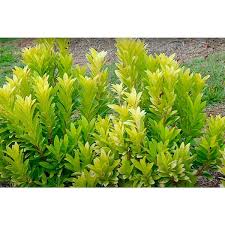
Hardy Anise / Yellow Anise – 3 Gallon
Hardy Anise / Yellow Anise – 3 Gallon
Share
Illicium parviflorum
Create a lush, evergreen backdrop in shaded Southern landscapes with Illicium parviflorum, commonly called Hardy Anise, Yellow Anise, or Small Anise Tree. This large, dense evergreen shrub is especially valuable for screening, privacy, woodland gardens, and shady foundation areas where many traditional shrubs struggle.
Its glossy olive-green foliage gives off a distinctive anise or licorice-like fragrance when brushed or crushed, adding another layer of interest to the garden. Native to Florida, this durable shrub is well adapted to heat, humidity, shade, and the conditions found throughout much of the Southeast.
Plant at a Glance
Botanical Name: Illicium parviflorum
Common Names: Hardy Anise, Yellow Anise, Ocala Anise, Small Anise Tree
Container Size: 3 Gallon
Plant Type: Large evergreen shrub or small tree
Annual or Perennial: Perennial
Evergreen or Deciduous: Evergreen
USDA Hardiness Zones: 6–9
Mature Height: Approximately 15–20 feet tall
Mature Width: Approximately 10–15 feet wide
Growth Habit: Dense, upright, rounded to pyramidal
Growth Rate: Moderate to vigorous
Sunlight: Part shade to full shade
Water Needs: Moderate; prefers consistently moist soil while establishing
Foliage: Olive to deep green, aromatic
Flowers: Yes — small yellow to yellow-green flowers
Bloom Season: Typically May through June / early summer
Flower Color: Yellow to yellow-green
Deer Resistance: Very good
Special Features: Evergreen, fragrant foliage, shade tolerant, native Southeastern character, useful for screening
NC State Extension describes the species as a large, dense evergreen that can reach about 15–20 feet tall and 10–15 feet wide, with best performance in partial to full shade.
Why We Love Illicium parviflorum
This is one of our favorite plants for large shaded areas where you need height, privacy, and dependable evergreen foliage.
Many screening shrubs prefer full sun, but Illicium thrives in the kind of filtered light and shade often found beneath large oaks, along wooded property lines, and on the north or east side of a home.
Its foliage also has a beautiful sensory quality. Brush the leaves and you'll notice the characteristic anise-like fragrance.
Sunlight Requirements
Illicium parviflorum prefers:
Part shade to full shade
Ideal conditions include:
Dappled sunlight
Filtered woodland light
Morning sun with afternoon shade
Bright shade
It can tolerate very shaded locations and is particularly useful where other evergreen screening shrubs become thin or stressed.
Wright’s Market Recommendation
For southeast Georgia, this is an excellent choice for shaded and partially shaded landscape areas.
Avoid putting it in an exposed location with intense all-day afternoon sun when a cooler, more protected site is available.
Watering
Immediately After Planting
Water deeply after planting so the entire root ball and surrounding soil are thoroughly moistened.
First Growing Season
Water deeply approximately 1–2 times per week, depending on rainfall, temperature, and soil conditions.
During hot or dry weather, newly planted 3-gallon shrubs may require additional watering.
Once Established
Illicium parviflorum becomes moderately drought tolerant, but it performs best with consistent moisture and prefers soil that stays moist without remaining constantly waterlogged.
Water deeply during prolonged periods of drought.
Fertilization
Fertilize in early spring as new growth begins.
Use a balanced, slow-release shrub and tree fertilizer according to label directions.
An acid-loving plant fertilizer can also be used where appropriate.
For established plants growing vigorously in rich soil, heavy fertilization is usually unnecessary.
Avoid excessive nitrogen, which can encourage overly soft, rapid growth.
Planting Instructions
- Water the plant thoroughly before planting.
- Choose a location with part shade to full shade and adequate room for its mature size.
- Dig a hole approximately twice as wide as the root ball, but no deeper.
- Carefully remove the plant from its 3-gallon container.
- Loosen any tightly circling roots.
- Position the root ball so the top sits level with or slightly above the surrounding soil.
- Backfill with the existing soil.
- Water deeply to settle the soil and remove air pockets.
- Apply approximately 2 inches of pine straw or mulch.
- Keep mulch pulled away from the main stems.
Soil
Illicium is quite adaptable and can grow in clay, loam, or sandy soils, but it prefers soil that is:
Moist
Well drained
Rich in organic matter when possible
It can also tolerate occasional wet conditions better than many common landscape shrubs.
Pruning & Maintenance
Illicium parviflorum is considered a low-maintenance shrub.
Because it can become quite large, proper placement is more important than frequent pruning.
Best Time to Prune
Prune in late winter or early spring if size control or shaping is needed.
Light pruning can also be done after flowering.
For a privacy screen, allow the plant to develop its natural dense habit rather than continually shearing it into a tight shape.
It may also sucker over time and form a broader colony if left undisturbed.
Does Illicium parviflorum Flower?
Yes.
It produces small, nodding yellow to yellow-green flowers, usually in late spring to early summer, often around May and June.
The flowers are subtle rather than showy, and the plant is grown primarily for its:
Evergreen foliage
Shade tolerance
Fragrance
Large screening habit
Evergreen or Deciduous?
Evergreen.
Illicium parviflorum keeps its foliage throughout the year and does not typically develop a fall color change.
That makes it especially valuable for year-round screening and permanent structure in shaded landscapes.
Zone 9 / Coastal Georgia Performance
Illicium parviflorum is exceptionally well suited to Zone 8b/9a and southeast Georgia.
Its natural adaptability to the Southeast makes it a strong choice for:
- Heat and humidity
- Woodland settings
- Shaded landscapes
- Moist soils
- Coastal and inland Southern gardens
NC State lists it as hardy through Zone 9b and suitable across coastal regions.
Landscape Uses
Illicium parviflorum is excellent for:
- Privacy screens
- Shaded hedges
- Woodland gardens
- Property lines
- Large foundation areas
- Back-of-border planting
- Naturalized landscapes
- Rain gardens
- Winter gardens
- Shaded fence screening
- Large evergreen backdrops
Because this plant can become 15–20 feet tall and 10–15 feet wide, it should be given plenty of room.
Spacing
For individual plants, allow approximately 10–15 feet of mature width.
For a privacy screen, plants can be spaced more closely depending on how quickly you want them to grow together.
Wright’s Market Tip
Do not treat Illicium parviflorum like a small foundation shrub.
It is best positioned toward the back of a landscape bed, along a property line, or anywhere a substantial evergreen screen is needed.
Deer Resistance
One of the biggest advantages of Illicium parviflorum is its excellent deer resistance.
NC State Extension notes that it is particularly resistant to deer damage.
This makes it especially useful in wooded or rural landscapes where deer browsing is a concern.
Beautiful Plant Pairings
Pair Illicium parviflorum with:
Flowering Shrubs
Camellias
Gardenias
Encore® Azaleas
Hydrangeas
Evergreen Structure
Vintage Jade Distylium
Soft Touch Holly
Podocarpus
Boxwood
Shade-Loving Texture
Ferns
Farfugium
Carex
Liriope
Aucuba
Wright’s Market Designer Combination
Try:
Illicium parviflorum + white camellias + Farfugium + Carex + ferns
This creates a lush, layered Southern shade garden with varying shades of green, year-round structure, and seasonal flowers.
Important Safety Note
Although the foliage has an anise-like fragrance, Illicium parviflorum is not the culinary star anise used as a spice and should not be eaten.
NC State notes that the plant can be poisonous if ingested and specifically warns that it is not a substitute for edible star anise.
Why Wright’s Market Loves It
We love Illicium parviflorum because it solves a landscape problem that can be difficult in the South: finding a large, attractive evergreen screen for shade.
It gives you:
Year-round foliage
Large mature size
Excellent shade tolerance
Fragrant leaves
Strong deer resistance
Low maintenance
Excellent performance in Southern climates
For woodland landscapes, shaded property lines, and large areas beneath mature trees, this is an exceptionally useful plant.
Wright’s Market Plant Tip
Give this one room to grow.
Although a 3-gallon Illicium may look modest at planting time, it can eventually become a substantial 15–20-foot evergreen shrub or small tree. Place it where that mature size will become an asset instead of something you'll constantly need to prune.
Please note: Plant height, fullness, foliage, flowering, and overall appearance vary by season and growing conditions. A 3-gallon Illicium parviflorum is a young landscape plant and will continue developing toward its mature size after planting.